
There’s something incredibly comforting about a bowl of noodles embracing rich and creamy flavors, and that’s exactly what my Kare Kare Peanut Noodles deliver. Inspired by the classic Filipino dish, this recipe unites tender pork belly with smoky eggplant and vibrant string beans, all enveloped in a luscious peanut sauce that sings with umami.
Just imagine the delightful aroma wafting through your kitchen as you sauté the pork, creating a masterpiece that not only tantalizes your taste buds but also serves up a hearty meal in under 30 minutes. Perfect for busy weeknights or a cozy weekend dinner, this dish merges tradition with a quick, satisfying twist. So, if you’re looking to elevate your homemade cooking and steer clear of fast food, grab your apron and let’s whip up some mouthwatering Kare Kare Peanut Noodles together!
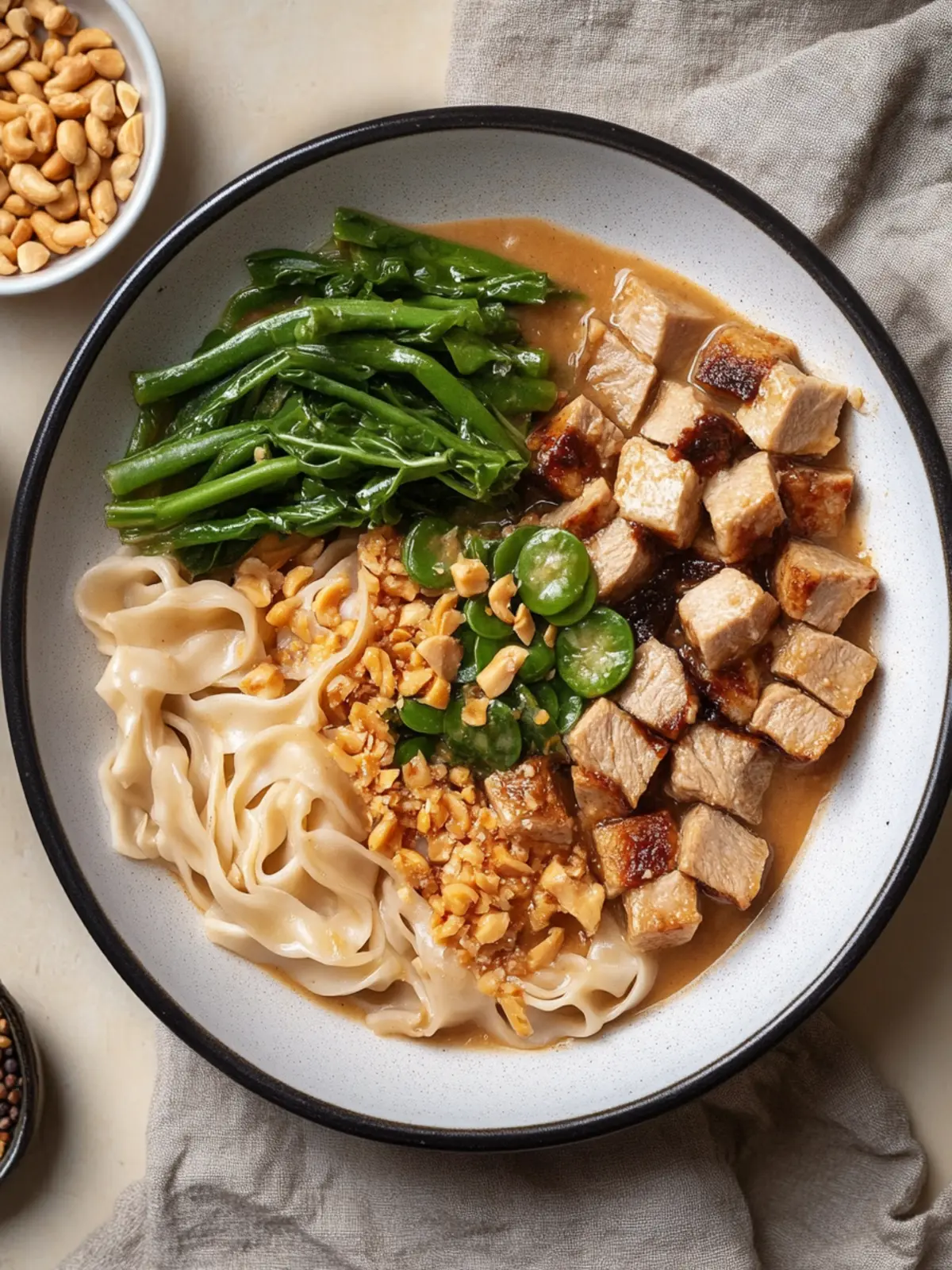
Why are Kare Kare Peanut Noodles so irresistible?
Comforting Flavors: This dish offers a creamy peanut sauce that coats every noodle, creating a warm hug for your taste buds.
Quick Preparation: In just under 30 minutes, you can have a hearty meal on the table, perfect for busy weeknights.
Versatile Ingredients: Customize it! Substitute with chicken or tofu and adjust the veggies to suit your taste.
Wholesome Satisfaction: Packed with protein from pork and peanuts, it’s balanced and filling.
Crowd-Pleasing Appeal: Whether serving your family or hosting friends, this dish is sure to impress and satisfy all appetites!
Kare Kare Peanut Noodles Ingredients
For the Pork
- Pork Belly (300g, liempo-cut) – Adds richness and depth to the dish; substitute with chicken thighs for a leaner option or firm tofu for a vegetarian version.
- Fish Sauce (1 tbsp) – Enhances umami flavor; can be replaced with soy sauce for a vegetarian option.
For the Noodles
- Knife-Cut Noodles (240g) – Acts as the base for the dish; substitute with any thick wheat noodle, such as udon or fettuccine.
For the Vegetables
- Eggplant (1 medium) – Adds a smoky, soft texture that complements the pork; zucchini can be used as a lighter substitute.
- String Beans (2-3 pieces) – Provides a crisp texture and fresh flavor; snow peas can be a suitable alternative.
For the Sauce
- Garlic (1 clove, minced) – Invokes aromatic flavor; use garlic powder if fresh is unavailable.
- Water (¾ cup + more if needed) – To create sauce consistency; adjust based on how thick you prefer the sauce.
- Pork Bouillon Cube (½, crumbled) – Enhances the savory depth; swap with vegetable bouillon for a non-meat version.
- Smooth Peanut Butter (2½ tbsp) – Key ingredient for the sauce; almond or cashew butter can provide a different flavor profile.
For Garnish
- Crushed Roasted Peanuts – For garnish and additional crunch; use sunflower seeds for a nut-free option.
How to Make Kare Kare Peanut Noodles
-
Season Pork Belly: Toss the pork belly with fish sauce and let it sit for about 10 minutes. This marinating step enhances the flavor and ensures a luscious sear; then, pat it dry to prepare for frying.
-
Fry Pork Belly: Heat a skillet over medium-high heat, and fry the pork belly until golden brown, about 3-5 minutes on each side. Once cooked, remove it from the skillet and set aside, leaving the rendered fat for the next steps.
-
Fry Vegetables: In the same skillet, add the eggplant and fry for 1 minute on each side until tender and charred. Then toss in the string beans and sauté for another 30 seconds until they’re bright green. Remove vegetables and set them aside.
-
Boil Noodles: Cook the knife-cut noodles according to the package instructions until al dente. Once they are ready, drain and rinse them under cold water to stop the cooking process, then set aside.
-
Make Peanut Sauce: Lower the heat and add minced garlic to the skillet, frying until golden. Next, mix in the water and crumbled pork bouillon, scraping up any flavorful bits. Stir in the smooth peanut butter until smooth, adjusting thickness with more water as needed.
-
Toss and Assemble: Combine the cooked noodles with the creamy peanut sauce, mixing well to coat. Serve in bowls, topped with the sautéed pork belly, eggplant, string beans, and a generous sprinkle of crushed roasted peanuts for a satisfying crunch.
Optional: Garnish with fresh herbs like cilantro or scallions for added brightness.
Exact quantities are listed in the recipe card below.
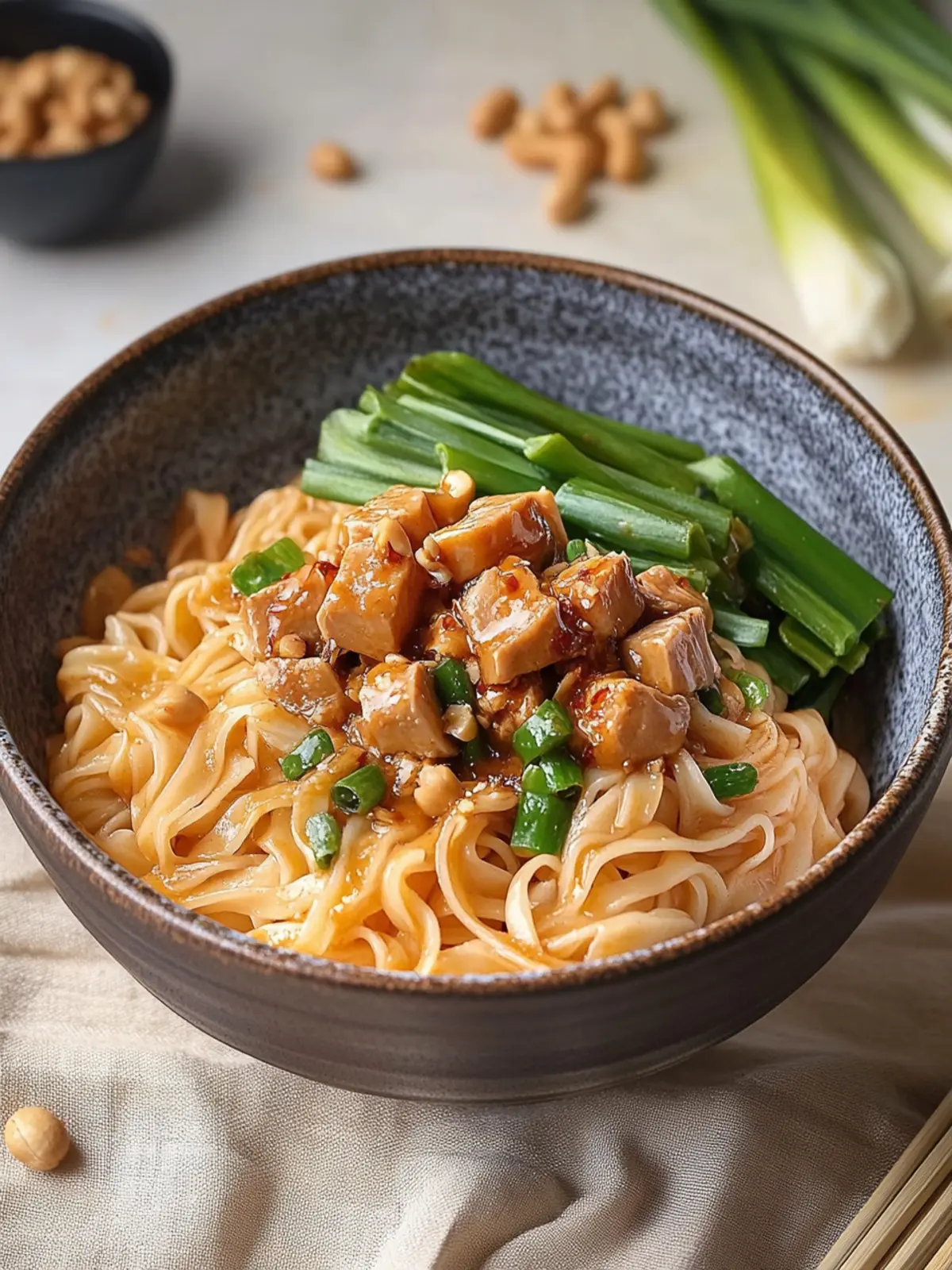
Expert Tips for Kare Kare Peanut Noodles
-
Pat Dry for Searing: Ensure the pork belly is well-dried after marinating to achieve a beautiful, crispy sear. This step adds both flavor and texture.
-
Watch Sauce Consistency: Gradually add water to your peanut sauce; this helps prevent clumping and allows you to control thickness. You want the sauce creamy, not runny.
-
Simmer to Thicken: If your sauce ends up too thin, allow it to simmer on low heat for a few minutes. The gentle heat will concentrate flavors and help it thicken.
-
Vegetable Substitutions: Feel free to swap in seasonal vegetables or your favorites. For a lighter Kare Kare Peanut Noodles, try adding more veggies or leaner cuts of meat.
-
Storage Tips: Store any leftovers in an airtight container in the fridge for up to 3 days. Gently reheat to maintain the noodles’ texture without overcooking them.
What to Serve with Kare Kare Peanut Noodles?
Imagine inviting your loved ones to a delightful dinner filled with comforting flavors that entice the senses and spark joy around the table.
-
Steamed Jasmine Rice: Fluffy and fragrant, jasmine rice absorbs the rich peanut sauce beautifully, balancing the heartiness of the noodles.
-
Crispy Spring Rolls: Their crunchy exterior and savory filling create an exciting contrast to the creamy noodles, making each bite a little celebration.
-
Garlicky Bok Choy: This fresh, tender vegetable adds a vibrant, green touch, enhancing the meal’s visual appeal and providing a burst of freshness.
-
Asian Cucumber Salad: A light and tangy salad is perfect for cutting through the richness of the dish while adding a delightful crunch and refreshing taste.
-
Mango Lassi: This creamy, sweet yogurt drink offers a luscious complement to the strong flavors of the peanut sauce, creating a harmonious balance.
For dessert, how about a Coconut Tapioca Pudding? Its creamy texture and hint of sweetness serve as a delightful finale to your culinary journey, leaving everyone with lasting memories.
Storage Tips for Kare Kare Peanut Noodles
Fridge: Store leftover Kare Kare Peanut Noodles in an airtight container for up to 3 days. This keeps your flavors fresh while preventing moisture build-up.
Freezer: For longer storage, freeze portions in airtight bags for up to 2 months. When ready to enjoy, thaw overnight in the fridge and reheat gently.
Reheating: Gently reheat on the stovetop over low heat, adding a splash of water or broth to maintain the creamy consistency of the peanut sauce. Avoid microwaving to prevent overcooking the noodles.
Airtight Storage: To keep your leftovers tasty, never leave them uncovered. Proper sealing helps preserve the harmonious flavors of your Kare Kare Peanut Noodles.
Kare Kare Peanut Noodles Variations
Feel free to play with these delicious ideas and make this dish your own!
-
Dairy-Free: Use almond or cashew butter instead of peanut butter for a nut-free alternative with a unique flavor profile.
-
Vegetarian Delight: Swap pork belly for firm tofu, and add more vibrant vegetables like bell peppers and carrots for a colorful twist.
-
Spicy Kick: Add a teaspoon of chili flakes or sriracha when making the peanut sauce for those who crave a little heat and excitement in every bite.
-
Fresh Herbs: Garnish with fresh cilantro, Thai basil, or mint to add a refreshing layer and a pop of color to the dish.
-
Texture Twist: For added crunch, sprinkle fried shallots or crispy onions on top for an exciting texture contrast against the creamy noodles.
-
Coconut Cream Sauce: Substitute the peanut sauce with a rich coconut milk sauce for a tropical spin, bringing a creamy and slightly sweet dimension.
-
Seafood Option: Use shrimp or scallops instead of pork for a quick-cooking protein. The seafood adds a delightful brininess that complements the flavors beautifully.
-
Zoodle Base: For a lighter meal, replace knife-cut noodles with zucchini noodles. It not only cuts carbs but also adds a refreshing twist!
Make Ahead Options
Make your cooking experience with Kare Kare Peanut Noodles even more enjoyable by prepping in advance! You can complete the marination of the pork belly (with fish sauce) up to 24 hours before cooking; simply cover and refrigerate it to enhance flavor. Additionally, you can chop the eggplant and string beans, then store them in an airtight container for up to 3 days. To maintain quality, keep the cooked noodles and peanut sauce separate until you’re ready to serve. When it’s time to enjoy your meal, simply reheat the noodles and sauce, combine the components, and top with the sautéed vegetables and pork for a deliciously comforting dish in mere minutes!
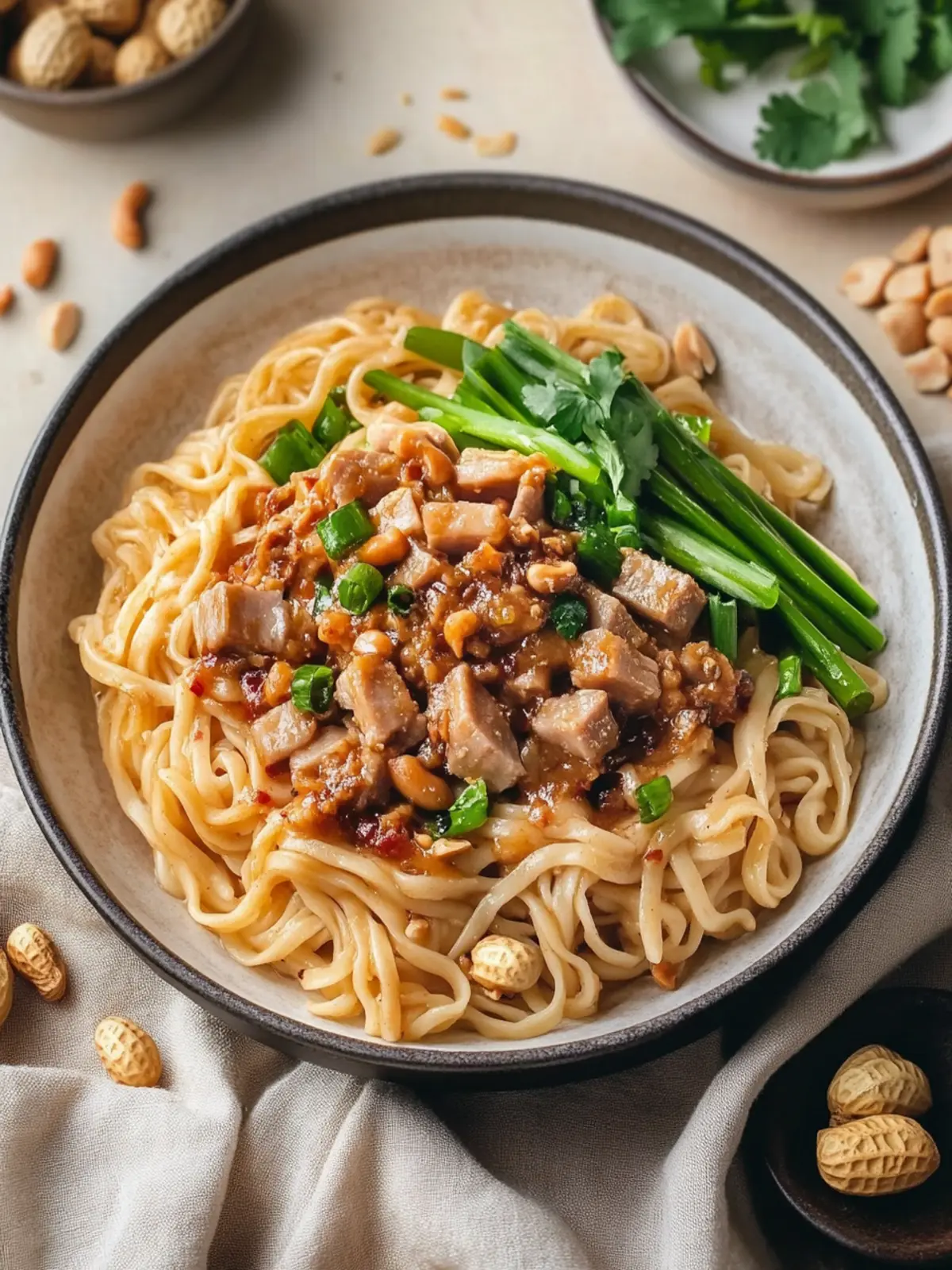
Kare Kare Peanut Noodles Recipe FAQs
How do I select the best pork belly for the recipe?
When choosing pork belly, look for a cut with a good balance of meat and fat—this ensures a rich flavor while keeping the meat tender during cooking. Ideally, it should have a nice pink color with minimal dark spots on the surface. If you can, buy it from a butcher’s shop where you can ask questions about the freshness and sourcing.
What’s the best way to store leftovers?
Leftover Kare Kare Peanut Noodles can be stored in an airtight container in the refrigerator for up to 3 days. Make sure to let the dish cool to room temperature before sealing it to avoid moisture build-up. Reheat gently on the stovetop with a splash of water to revive the creamy peanut sauce.
Can I freeze Kare Kare Peanut Noodles?
Absolutely! To freeze, portion the noodles into airtight freezer bags or containers, ensuring they are sealed tightly to prevent freezer burn. They can be stored for up to 2 months. When you’re ready to enjoy them, simply thaw overnight in the refrigerator and then reheat gently in a skillet.
What if my peanut sauce turns out too thick or too thin?
If your peanut sauce is too thick, you can add a little more water or broth, stirring to incorporate. Heat it gently until it reaches your desired consistency. Conversely, if it’s too thin, let it simmer on low heat for a few minutes, stirring frequently, to help it thicken up. Adjusting the consistency is key to achieving that perfect creamy texture.
Are there any allergies I should be aware of with this dish?
Yes, keep in mind that this recipe includes peanut butter and fish sauce, which can be allergens for some people. If you’re cooking for someone with nut allergies, you can substitute the peanut butter with sunflower seed butter to maintain creaminess without the nuts. For pescatarians or vegetarians, using soy sauce instead of fish sauce and swapping pork for firm tofu can work beautifully!
What alternative vegetables can I use?
If you’re looking to customize your dish, zucchini or bell peppers can make excellent substitutes for eggplant, adding different flavors and textures without straying from that hearty feel. You’re encouraged to incorporate what you love or what’s in season! The more, the merrier when it comes to vegetables in your Kare Kare Peanut Noodles!
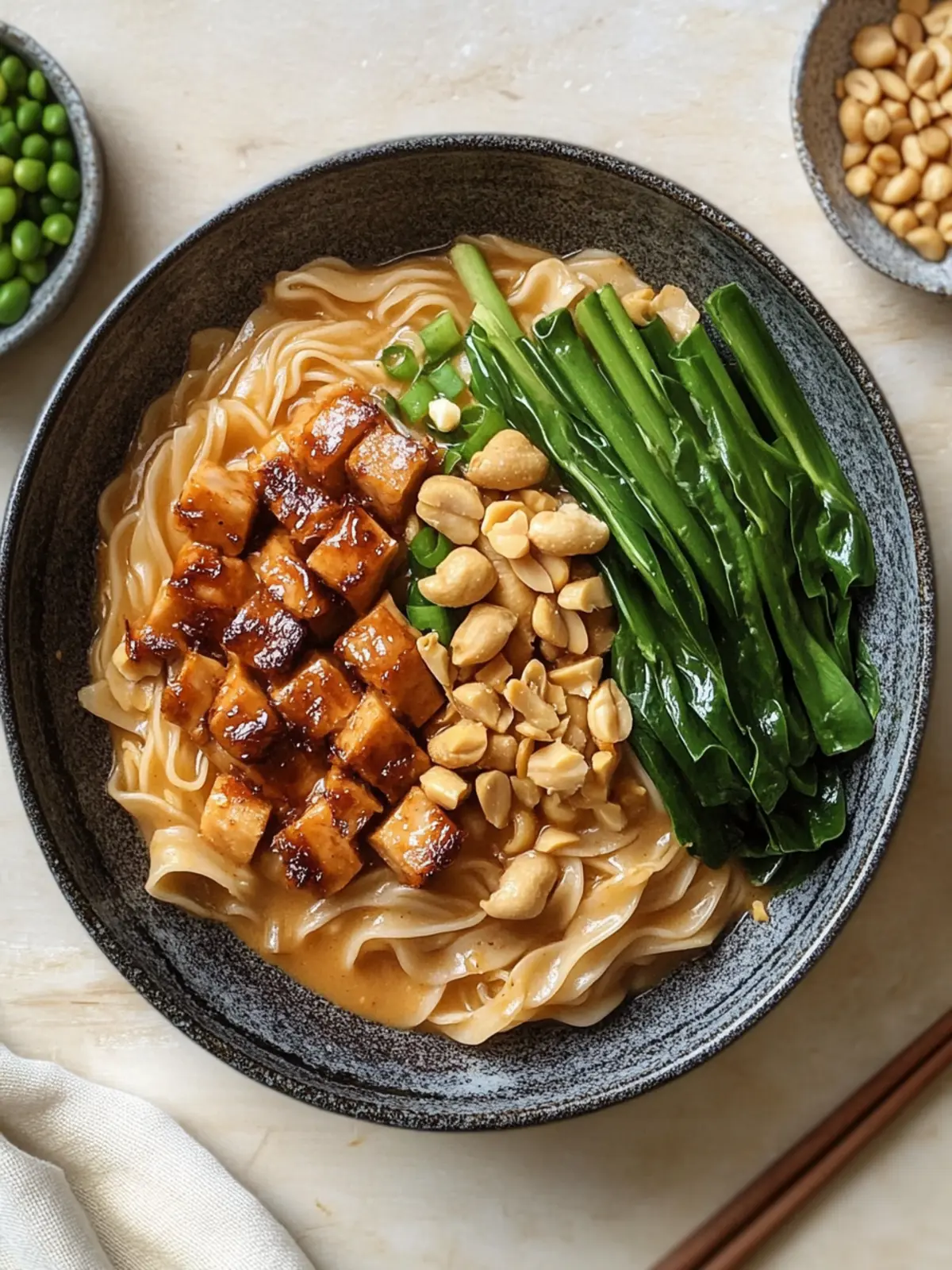
Hearty Kare Kare Peanut Noodles Your New Favorite Comfort Dish
Ingredients
Equipment
Method
- Toss the pork belly with fish sauce and let it sit for about 10 minutes. This marinating step enhances flavor and ensures a luscious sear; then pat it dry to prepare for frying.
- Heat a skillet over medium-high heat, and fry the pork belly until golden brown, about 3-5 minutes on each side. Once cooked, remove it from the skillet and set aside, leaving the rendered fat for the next steps.
- In the same skillet, add the eggplant and fry for 1 minute on each side until tender and charred. Then toss in the string beans and sauté for another 30 seconds until they’re bright green. Remove vegetables and set them aside.
- Cook the knife-cut noodles according to package instructions until al dente. Drain and rinse under cold water to stop cooking, then set aside.
- Lower the heat and add minced garlic to the skillet, frying until golden. Mix in the water and crumbled pork bouillon, scraping up any flavorful bits. Stir in peanut butter until smooth, adjusting thickness with more water as needed.
- Combine the cooked noodles with the peanut sauce, mixing well to coat. Serve in bowls, topped with sautéed pork belly, eggplant, string beans, and crushed roasted peanuts.