
When the first hints of cooler weather arrive, I find myself craving the warmth of hearty, soul-soothing meals. That’s when Delta-Style Banga Soup steps into the spotlight, a delicious testament to the rich flavors of West African cuisine. This creamy palm nut soup, flavored with aromatic spices and savory goodness, captures the essence of comforting home-cooked meals.
I stumbled upon this delightful recipe while exploring traditional dishes, and immediately fell in love with its luscious texture and nourishing qualities. Utilizing canned palm nut concentrate makes this dish surprisingly easy to prepare—perfect for anyone looking to break free from the fast-food cycle without sacrificing flavor or authenticity.
Whether you’re looking to impress family and friends or just treat yourself to some indulgent comfort, this soup delivers on all fronts. Let’s dive into this culinary adventure together, as we bring a taste of the Delta into our kitchens!
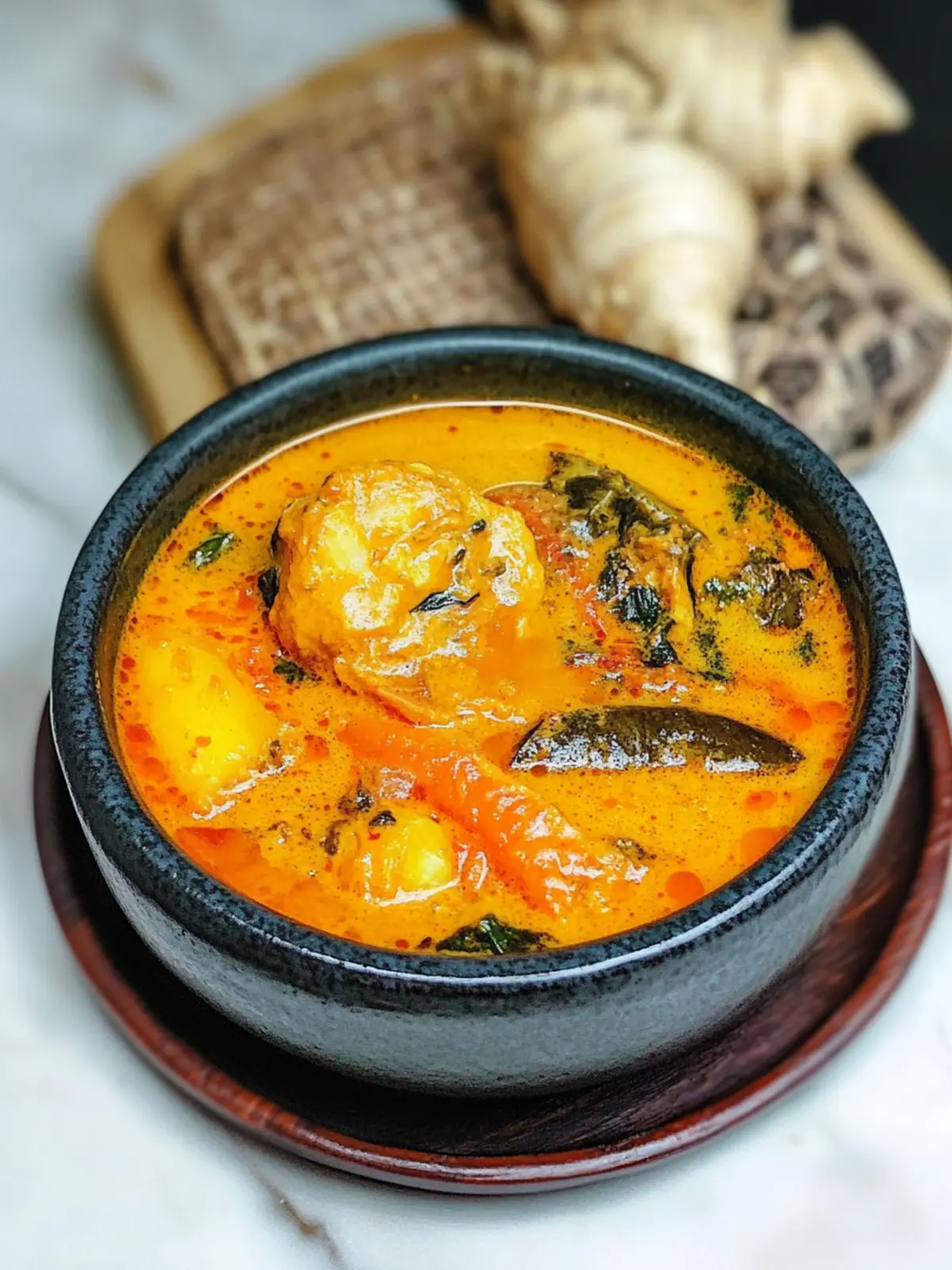
Why is Banga Soup a must-try?
Hearty flavors: Infused with umami and aromatic spices, each spoonful warms the soul.
Versatile base: Use canned palm nut concentrate for a quick fix or try homemade puree for extra flair.
Easy preparation: With straightforward steps, this dish is accessible for cooks of all skill levels.
Crowd-pleaser: Perfect for gatherings, it brings a taste of West Africa that everyone can enjoy.
Nourishing comfort: This creamy soup beautifully merges tradition and satisfaction, making each bite a delightful experience!
Banga Soup Ingredients
For the Soup
• Palm Nut Concentrate – The foundation of this Banga soup, offering a rich, nutty flavor; can be swapped for homemade palm nut puree for a fresher taste.
• Water – Used to achieve your desired soup thickness; adjust based on preference.
• Oburunbebe Sticks – Adds a unique aromatic touch; if you can’t find these, African Licorice sticks are a good substitute.
• Crayfish – Enhances the umami profile of the soup; consider using dried shrimp if crayfish is unavailable.
• Scotch Bonnet Peppers – Introduces a spicy kick; you can exchange with Habanero peppers for similar heat.
• Onion (blended) – Provides a foundational sweetness; sauté until translucent to amplify its flavor.
• Stockfish – A traditional addition that deepens flavor; if unavailable, use dried fish or fresh fish, soaking it first to soften.
• Banga Spice – Essential for authentic taste; if you can’t find it, a mix of cumin and coriander can work well as a substitute.
• Seasoning Cube & Salt – To taste; remember to add salt gradually to prevent over-salting as the soup thickens.
• Beletete Leaves – Adds freshness and depth; alternate greens like dried basil or bitter leaf can serve in their place.
• Catfish – Brings texture and flavor; feel free to use any firm white fish for a delightful modification.
For Serving
• Delta starch or Rice – Accompany your Banga soup with a satisfying starch like Delta starch, rice, or your favorite swallow for a complete meal.
How to Make Banga Soup
-
Combine palm nut concentrate with 4-5 cups of water in a pot and stir well until mixed. This forms the rich base for your Banga soup.
-
Add one to two Oburunbebe sticks into the pot, bringing the mixture to a boil over medium heat. Let it boil for 20-30 minutes until fragrant, stirring occasionally.
-
Stir in crayfish, chopped Scotch bonnet peppers, and the blended onion. Mix well, and watch as the oil from the palm nut begins to rise, creating a glossy surface.
-
Incorporate stockfish into the bubbling soup, continuing to simmer for about 10-15 minutes. This will allow the flavors to meld beautifully together.
-
Mix in the Banga spice, seasoning cube, and salt carefully as the soup thickens. Stir until fully combined, allowing the unique flavors to shine through.
-
Fold in Beletete leaves and catfish, then let the soup simmer for another 10 minutes over low-medium heat. This adds depth and texture that is simply irresistible.
-
Serve hot with your choice of Delta starch, rice, or a comforting swallow for a satisfying meal that warms the heart.
Optional: Garnish with fresh herbs for an extra pop of color and flavor.
Exact quantities are listed in the recipe card below.
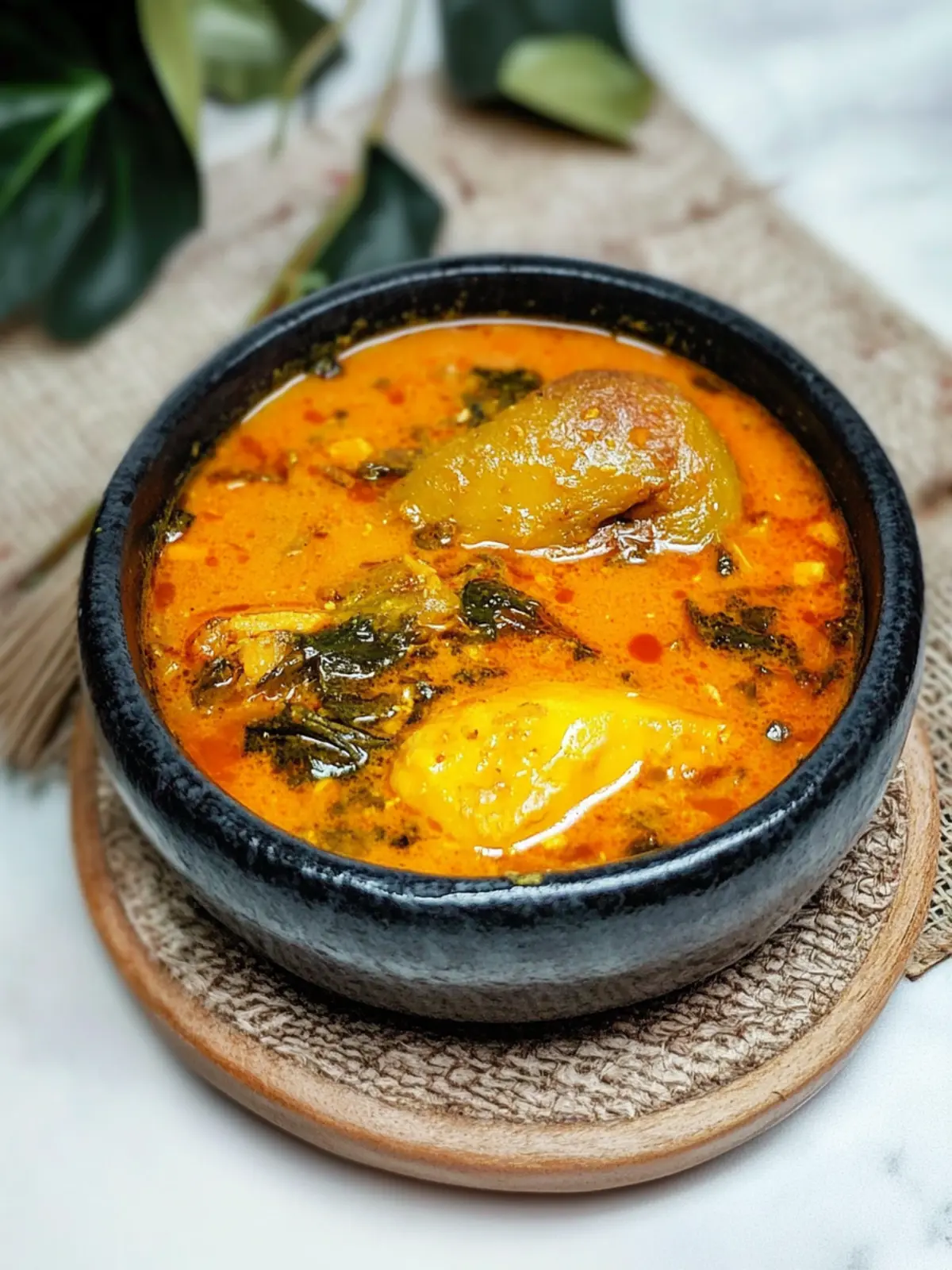
Expert Tips for Banga Soup
-
Simmer for Flavor: Let your Banga soup simmer adequately to enhance the depth of flavors. If you remove meats early, be sure to return them in time to avoid overcooking.
-
Heat Control: Adjust the level of spice to suit your palate by changing the amount of Scotch bonnet peppers. Start with less if you’re unsure!
-
Ingredient Substitutions: Don’t stress if you can’t find specific ingredients—there are many suitable substitutes to maintain the authenticity of your Banga soup.
-
Thickness Matters: To achieve the perfect consistency, adjust the amount of water based on your preferences. Remember, the soup will thicken as it simmers.
-
Serving Style: Use traditional clay pots for serving to keep the soup warm longer and enhance the experience—it’s an homage to the roots of this cherished dish.
Make Ahead Options
Preparing Banga Soup ahead of time is a fantastic way to save precious moments during busy weeknights! You can cook the entire soup up to 3 days in advance, allowing the flavors to deepen and blend beautifully. To do this, simply prepare the soup as directed, then let it cool completely before transferring it to an airtight container to refrigerate. This maintains its creamy texture and rich taste. When you’re ready to enjoy the Banga Soup, just reheat it on the stove over low heat until warmed through, adding a splash of water if needed to reach your desired consistency. With this approach, you’ll have a heartwarming dinner waiting for you, effortlessly!
Storage Tips for Banga Soup
-
Fridge: Store leftovers in an airtight container for up to 3 days. The flavors of the Banga soup deepen and improve with each reheating, making it even more delicious!
-
Freezer: You can freeze Banga soup for up to 2 months. Allow it to cool completely, then transfer to freezer-safe containers. Thaw in the fridge overnight before reheating.
-
Reheating: When you’re ready to enjoy your soup, reheat it on the stovetop over medium heat, stirring occasionally until heated through. Add a little water if it has thickened too much.
-
Room Temperature: Do not leave Banga soup at room temperature for more than 2 hours to ensure food safety. Always refrigerate promptly after serving.
What to Serve with Banga Soup?
When you’re ready to elevate your Banga Soup experience, consider these delightful pairings that will complement its rich, comforting flavors.
-
Delta Starch: This local favorite serves as a perfect vessel for the creamy soup, soaking up every drop of goodness.
-
Pounded Yam: The soft, stretchy texture of pounded yam enhances the hearty nature of Banga soup while providing a satisfying contrast.
-
Boiled Plantains: Sweet and tender, boiled plantains add a nice balance to the spice and richness of the soup. Their sweetness harmonizes beautifully with the umami flavors.
-
Fufu: Another traditional swallow, fufu offers a delightful chewiness that makes it fun to enjoy with the stewed soup. Dip, scoop, and savor every moment!
-
Rice: A simple side of fluffy white rice absorbs the soup’s lusciousness, making for an easy and beloved pairing that caters to all tastes.
-
A Chilled Malt Drink: For something refreshing on the side, serve a chilled malt drink. Its sweetness and carbonation provide a refreshing counterbalance to the bold flavors of the soup.
With these accompaniments, your Banga Soup experience will not only warm your heart but also satisfy your cravings for something truly nourishing.
Banga Soup Variations
Customize the Banga Soup to match your taste or dietary needs while maintaining its heartwarming essence.
-
Meat Swap: Use a variety of meats, like chicken, shrimp, or even snails, to bring unique textures to the dish. Your options are endless and can create an exciting new flavor profile!
-
Leafy Greens: Substitute Beletete leaves with kale, collard greens, or even spinach for a nutritious twist. Each green brings a different texture and nutritional boost, enhancing the soup’s vibrant quality.
-
Seafood Medley: Add mussels or crab for a delightful seafood variation. Their briny flavor enhances the soup’s umami, creating an ocean-inspired experience straight from the Delta.
-
Spicy Upgrade: For heat enthusiasts, increase the number of Scotch bonnet peppers or mix in Thai bird’s eye chilies for an extra kick! Adjust spices gradually to ensure a perfect balance for every palate.
-
Vegan-Friendly: Swap all animal products for plant-based alternatives, including vegetable stock and tofu. This maintains the soup’s heartiness while making it suitable for a vegan diet.
-
Nutty Flavor Boost: Incorporate toasted ground peanuts or cashews for added richness. This delightful twist introduces a creamy texture and nutty flavor that pairs beautifully with palm nut concentrate.
-
Herb Infusion: Experiment with fresh herbs such as cilantro, parsley, or mint to brighten the soup’s flavor. Just a sprinkle at the end can elevate your dish to new aromatic heights.
-
Richer Texture: Adding coconut milk or heavy cream can create an ultra-luxurious version of Banga Soup. The creaminess complements the palm nut base, making each spoonful incredibly satisfying!
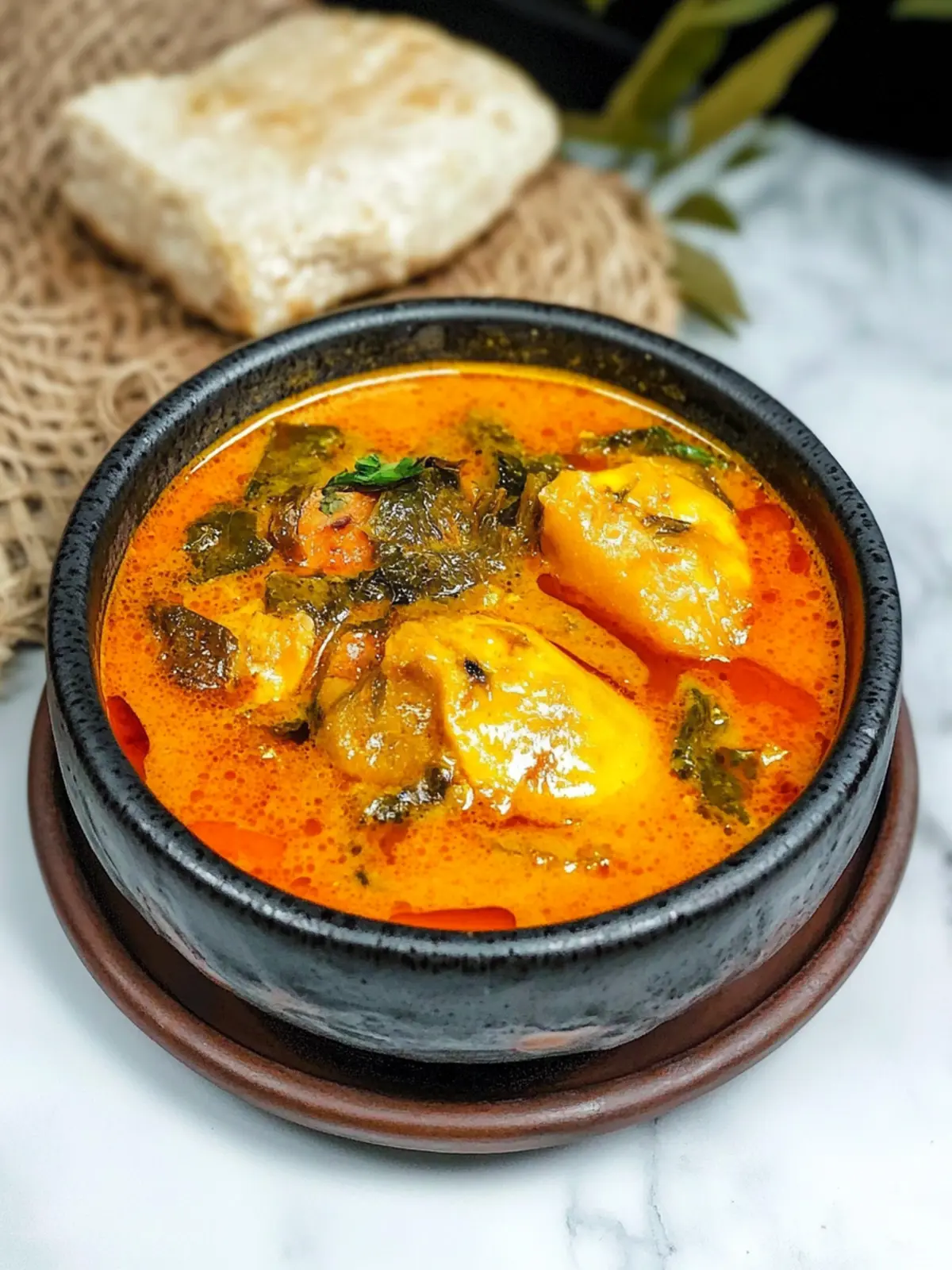
Banga Soup Recipe FAQs
What should I look for when selecting palm nut concentrate?
Absolutely! When selecting palm nut concentrate, look for a product that is deep red and free of any added preservatives. You want it to have a creamy consistency without any dark spots or separation. Using high-quality palm nut concentrate will significantly affect the flavor of your Banga soup, so it’s worth taking a moment to read labels and choose the best option.
How should I store leftover Banga soup?
Very! Store any leftover Banga soup in an airtight container and refrigerate it. It will stay fresh for up to 3 days. If you want to enjoy it later, consider freezing it for up to 2 months. To freeze, allow the soup to cool completely, then transfer it into freezer-safe bags or containers. Thaw overnight in the refrigerator before reheating gently on the stove.
Can I freeze Banga soup?
Absolutely! To freeze Banga soup, first ensure it’s cooled to room temperature. Pour it into freezer-safe containers, leaving some space at the top for expansion. Seal tightly and label with the date. Reheating can be done on the stove after thawing in the refrigerator. Make sure to stir occasionally while reheating, and feel free to add a splash of water if it’s thickened.
What can I do if my Banga soup turns out too thick?
Very common! If your Banga soup is thicker than you’d like, simply add a bit of warm water or stock to reach your desired consistency. Stir carefully over low-medium heat until fully combined. Avoid adding too much at once—start with a quarter cup and adjust as needed. It’s better to start with less and gradually add more.
Are there any common allergens in Banga soup?
Yes, indeed! If you’re cooking for someone with allergies, be aware that Banga soup may contain ingredients like fish (from stockfish or catfish) and shellfish (from crayfish or shrimp). To make it allergen-friendly, you can substitute these with plant-based proteins like tofu or chickpeas. Always check seasoning blends too, as they can sometimes contain hidden allergens.
Can pets eat Banga soup?
Not recommended! While some ingredients might be safe in small amounts, the spices—especially Scotch bonnet peppers—can be harmful to pets. It’s always best to keep your Banga soup for human enjoyment, ensuring your furry friends stick to their own diets. If in doubt, consult your vet for guidance on safe food sharing.
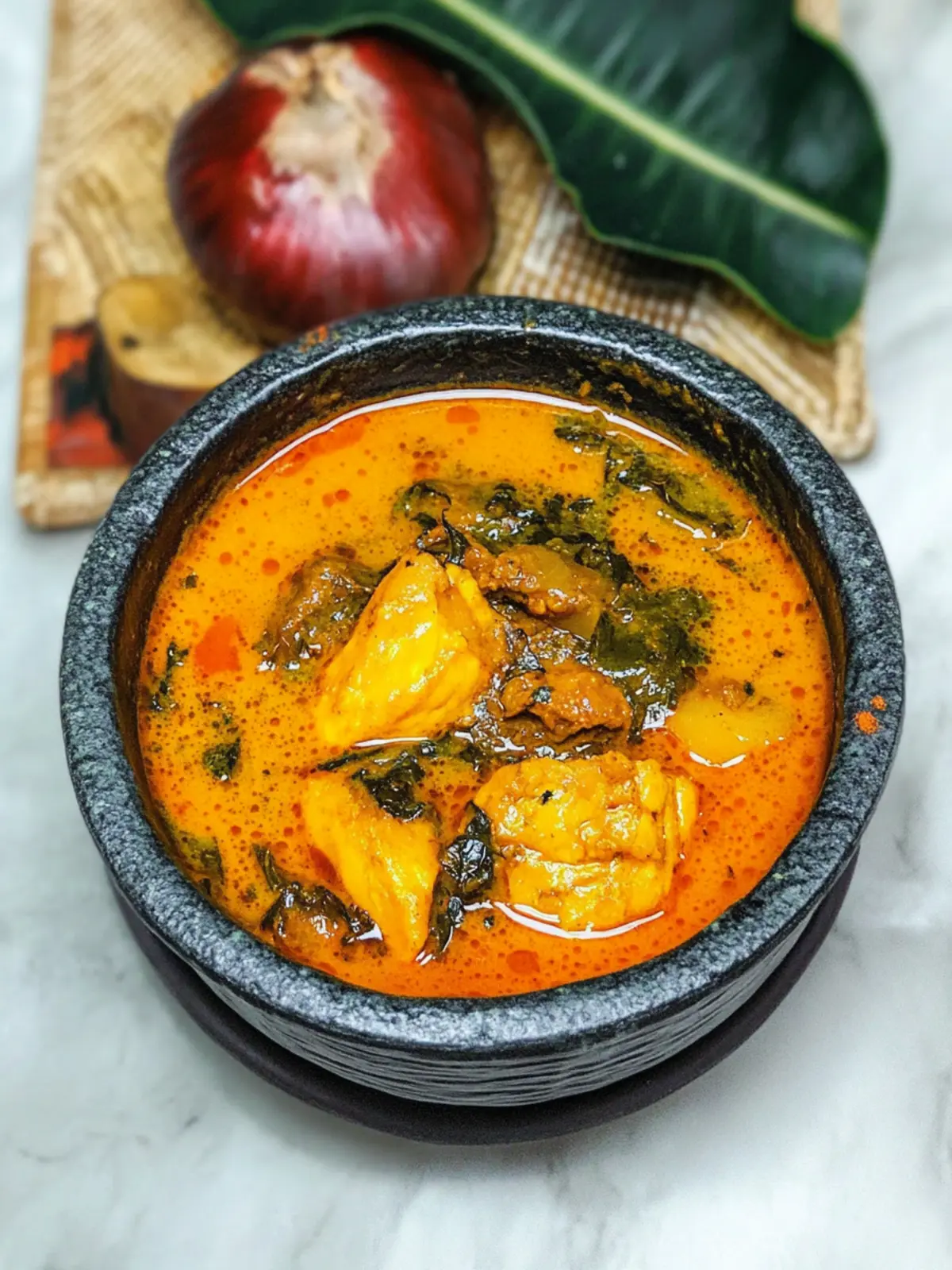
Banga Soup Recipe: Dive into Delta-Style Comfort Food
Ingredients
Equipment
Method
- Combine palm nut concentrate with water in a pot and stir well until mixed.
- Add Oburunbebe sticks into the pot, bringing the mixture to a boil over medium heat. Let it boil for 20-30 minutes until fragrant, stirring occasionally.
- Stir in crayfish, chopped Scotch bonnet peppers, and the blended onion. Mix well.
- Incorporate stockfish into the soup, continuing to simmer for about 10-15 minutes.
- Mix in Banga spice, seasoning cube, and salt carefully as the soup thickens.
- Fold in Beletete leaves and catfish, then let the soup simmer for another 10 minutes.
- Serve hot with Delta starch, rice, or a comfort swallow.