The moment I first held a delicate French macaron in my hand, I knew it was a culinary masterpiece worth mastering. With its crisp outer shell giving way to an irresistibly chewy center, the experience is nothing short of bliss. This is not just any dessert; it’s a burst of flavor and texture that can brighten any gathering—a true showstopper for your dessert table!
As I ventured into the world of advanced baking, I discovered that making macarons isn’t just a challenge—it’s an art form. Armed with a few simple ingredients, you’ll be amazed at how easily you can replicate this elegant treat in your own kitchen. With step-by-step guidance, I’ll walk you through each phase of the baking process, ensuring you create macarons that are not only stunning but also delicious.
Whether you’re a novice baker curious about advanced techniques or someone tired of fast food simplicity, this beginner-friendly recipe for how to make macarons will ignite your passion for baking and transform your dessert repertoire. So, let’s don our aprons and embark on this delightful journey together!
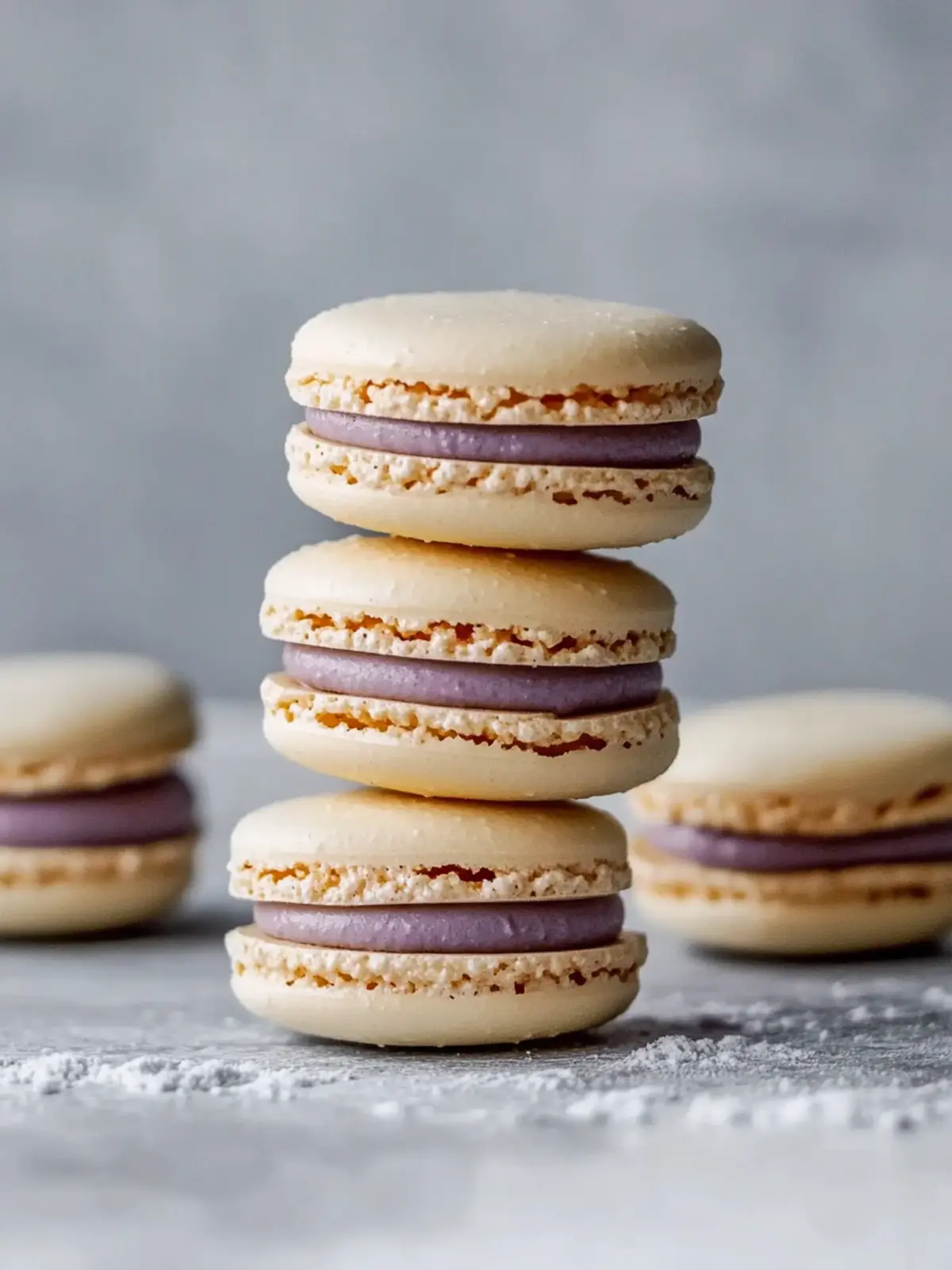
How to make macarons: beginner friendly!
Delightfully easy: This recipe is designed for bakers of all levels, providing clear instructions that guide you through each step.
Impressive results: You’ll achieve bakery-quality macarons that will wow friends and family—perfect for gatherings or gifts.
Customizable flavors: From classic vanilla to exotic matcha, the filling options are endless, allowing you to personalize your creations.
Rich textures: Enjoy the satisfying contrast of crisp shells paired with a chewy middle—every bite is pure bliss.
Time-saving tips: With a little patience and precision, you can whip up these treats in just a few hours, making them an easy go-to for dessert lovers.
Whether you’re rejuvenating your baking skills or tackling something new, you’ll soon understand why mastering how to make macarons is a rewarding experience!
How to Make Macarons: Ingredients
For the Shells
- Almond Flour – Provides structure and texture; ensure it’s super fine for a smooth finish.
- Powdered Sugar – Adds sweetness and helps achieve a smooth texture; can substitute with coconut sugar for a less sweet option.
- Granulated Sugar – Stabilizes the meringue; no substitutions recommended.
- Egg Whites – Essential for the meringue, contributing to the lightness of the macarons; use room temperature whites for better whipping.
- Salt – Enhances flavors and stabilizes egg whites; a pinch is adequate; no substitutions needed.
- Vanilla Extract – Adds delightful flavor; can substitute with almond extract for a different taste.
- Food Coloring (optional) – For aesthetic appeal; use powdered or gel coloring to avoid adding moisture.
For the Macaron Filling
- Vanilla Buttercream – A classic option that complements the sweetness of the shells perfectly.
- Fruit Jam – Provides a fruity tang that contrasts beautifully with the sweetness.
- Lemon Curd – Offers a zesty burst of flavor, perfectly balancing the richness of the shells.
- Chocolate Ganache – Rich and indulgent, a crowd-pleaser for chocolate lovers; ensure it’s thick enough to maintain structure.
With these essential ingredients in hand, you’ll be well on your way to mastering how to make macarons that are not only impressive but deliciously satisfying!
How to Make Macarons: Step-by-Step Instructions
-
Sift dry ingredients: Begin by sifting the almond flour and powdered sugar separately. This is crucial for achieving a smooth, lump-free batter—measure after sifting to ensure accuracy.
-
Prepare meringue: In a mixing bowl, whip the egg whites and salt until they become foamy. Gradually add the granulated sugar while continuing to beat until the mixture forms glossy stiff peaks—this should take about 5-7 minutes.
-
Mix coloring: If you’re adding color, gently fold in food coloring and vanilla extract into the meringue at this stage. Mix just until combined to avoid deflating the meringue.
-
Combine mixtures: Carefully fold the sifted almond flour and powdered sugar mixture into the meringue in three additions. Be gentle—stop when the batter flows in a thick ribbon and can form a “figure 8” without breaking.
-
Pipe: Transfer your batter to a piping bag fitted with a round tip. Pipe 1.5-inch rounds onto parchment-lined baking sheets, leaving space between each for expansion.
-
Rest: Allow the piped macarons to rest at room temperature until a skin forms on the surface, about 30-60 minutes. They should not stick to your finger when lightly touched.
-
Bake: Preheat your oven to 300°F (150°C). Bake the macarons for about 12 minutes or until they rise, firm up, and develop their signature “feet.”
-
Cool and fill: Once baked, let the macarons cool completely on the sheets. Once cooled, fill them with your chosen filling, such as vanilla buttercream, and sandwich them together gently.
Optional: Dust with powdered sugar for an elegant finish before serving.
Exact quantities are listed in the recipe card below.
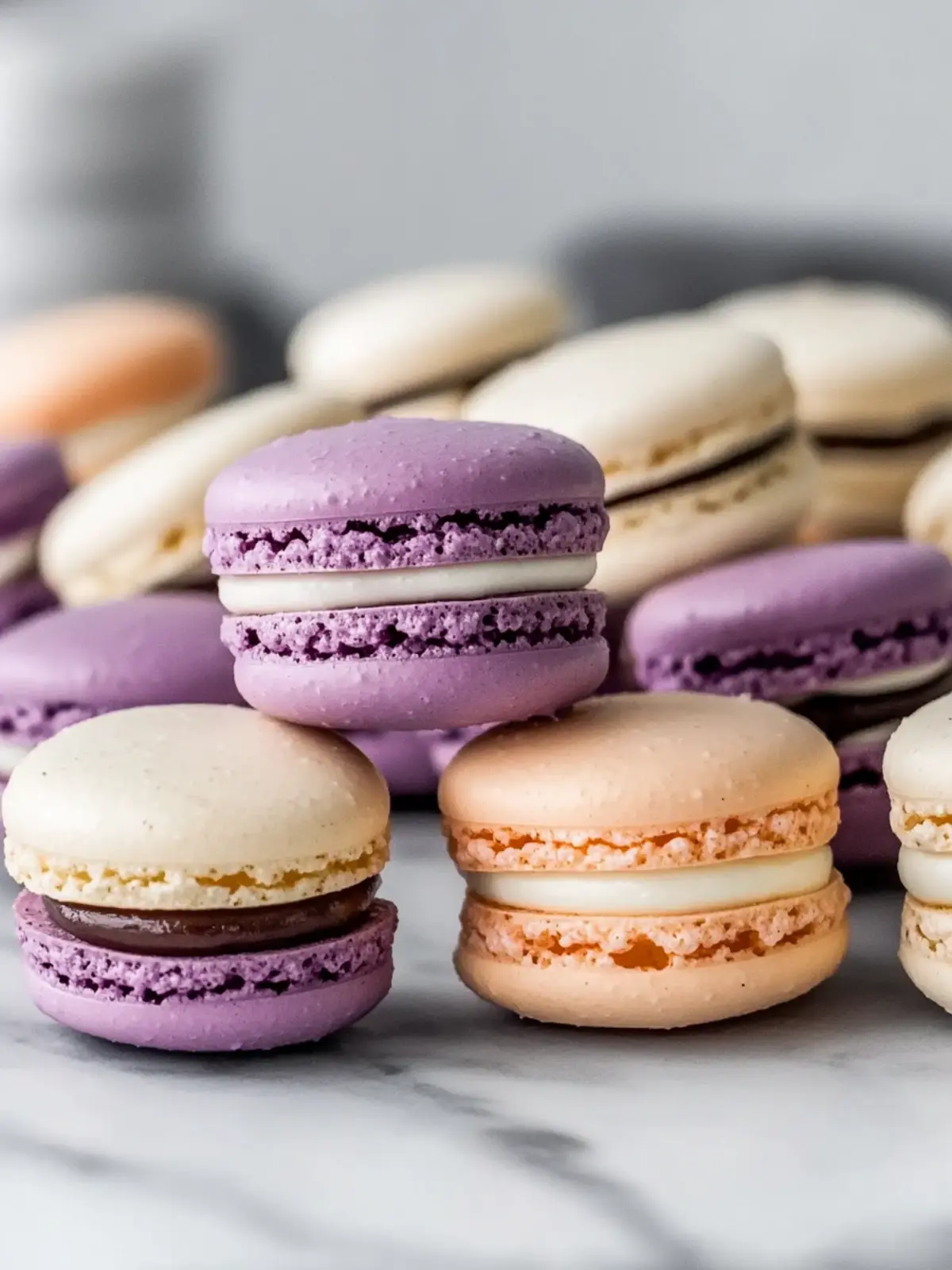
Expert Tips for Making Macarons
-
Precision is Key: Use a kitchen scale for accurate measurements; macarons are sensitive to ingredient ratios, leading to perfect results every time.
-
Oil-Free Equipment: Ensure all bowls and utensils are completely oil-free, as any residue can prevent the meringue from reaching its full volume.
-
Watch the Meringue: Avoid overwhipping the meringue; it should reach glossy stiff peaks. Too much air can make macarons collapse.
-
Ideal Weather Conditions: Humidity can ruin the texture; aim to make macarons on cooler, drier days for the best outcome and structure.
-
Piping Technique: When piping, keep the tip close to the baking sheet and create uniform circles. This ensures even baking and an aesthetically pleasing appearance.
-
Resting is Crucial: Don’t skip the resting step; allowing the piped macarons to dry creates a skin that helps them rise properly during baking, resulting in their characteristic “feet.”
With these expert tips, making macarons will become an enjoyable and rewarding experience as you learn how to make macarons like a pro!
Storage Tips for French Macarons
- Room Temperature: Store unfilled macarons at room temperature in an airtight container for up to 2 days. Keep them away from direct sunlight to maintain their texture.
- Fridge: For filled macarons, place them in an airtight container and refrigerate for up to 2 weeks. This helps the flavors deepen while ensuring optimal freshness.
- Freezer: Macarons can be frozen for longer preservation. Arrange filled macarons in a single layer in an airtight container, separating layers with parchment paper, for up to 3 months.
- Reheating: If frozen, thaw the macarons in the fridge overnight before enjoying. For the best texture, allow them to come to room temperature before serving.
With these storage tips, you’ll ensure your French macarons stay delicious while mastering how to make macarons!
What to Serve with Perfect French Macarons?
Turn your elegant macarons into an unforgettable dessert experience with delightful accompaniments.
-
Fresh Berries: A handful of raspberries or strawberries offers a juicy, tart contrast, beautifully enhancing the sweetness of the macarons.
-
Decadent Chocolate Fondue: Rich chocolate pairs exquisitely with macarons for a dreamy dipping experience that levels up indulgence.
-
Vanilla Ice Cream: The creamy, cool texture of vanilla ice cream serves as a lovely canvas for these chewy confections, helping you savor every bite.
-
Whipped Cream: Light and airy, fresh whipped cream makes for a delightful accompaniment, adding a sense of luxury without overwhelming the flavors.
-
Espresso or Coffee: A warm cup of coffee enhances the macaron experience, the bitter notes balancing the sweet, while offering a cozy finish for an afternoon treat.
-
Mimosa: If you’re looking for a brunch or celebration pairing, a citrusy mimosa adds a splash of brightness that complements practically any flavor of macaron.
-
Lemon Sorbet: The refreshing zing of lemon sorbet not only clears the palate but enhances the macaron’s taste, offering a zesty twist that’ll impress your guests.
These options provide a wonderful mix of textures and flavors, ensuring your macaron presentation is as delightful as they are delicious!
Macaron Variations & Substitutions
Unleash your creativity by personalizing your macarons with delightful twists and adjustments.
-
Flavor Boosts: Elevate the classic vanilla buttercream by adding a hint of espresso or matcha for a flavorful surprise.
Create an unexpected twist that adds depth and richness! -
Nut-Free Option: Swap almond flour for finely ground sunflower seeds, making these treats nut-free yet equally delightful.
You won’t compromise on taste, and they’ll be safe for those with nut allergies! -
Chocolate Lovers: Introduce cocoa powder into the almond flour mix for a rich chocolate macaron shell.
Chocolate macarons can be paired perfectly with a chocolate or raspberry filling for an indulgent treat! -
Fruit Infusions: Fold in freeze-dried fruit powder, like strawberry or raspberry, into the shell mixture for a fruity flavor burst.
Imagine the vibrant color and flavor that pops with every bite, making your macarons visually stunning! -
Zesty Spark: Add a teaspoon of citrus zest (like lemon or orange) to your filling for a refreshing tang.
This will brighten up the traditional creaminess and provide a delightful contrast to the sweetness. -
Fiery Twist: Infuse a pinch of cayenne pepper or chili powder into your filling for a spicy kick!
Pairing sweetness with heat will surprise your taste buds and add an adventurous note to your macarons. -
Herb Infusions: Experiment with fresh herbs like basil or mint in your fillings for a refreshing flavor profile.
These unexpected combinations will leave your guests guessing and intrigued by your creations! -
Dairy-Free Delight: Use aquafaba (chickpea water) instead of egg whites for a plant-based macaron!
Not only are you accommodating dietary preferences, but you’ll also unveil a new level of culinary skill!
Make Ahead Options
These French macarons are ideal for meal prep, allowing you to plan ahead for special occasions or sweet cravings! You can prepare the macaron shells up to 24 hours in advance by piping them onto baking sheets and refrigerating them once they’ve formed a skin. If you prefer, the meringue base can also be made and stored in an airtight container for up to 3 days. For best results, fill the macarons only before serving to maintain their delicate texture. Simply assemble the chilled shells with your favorite filling just prior to enjoyment, ensuring that each bite remains as fresh and delightful as possible. This planning will save you time and ensure your homemade French macarons are just as impressive!
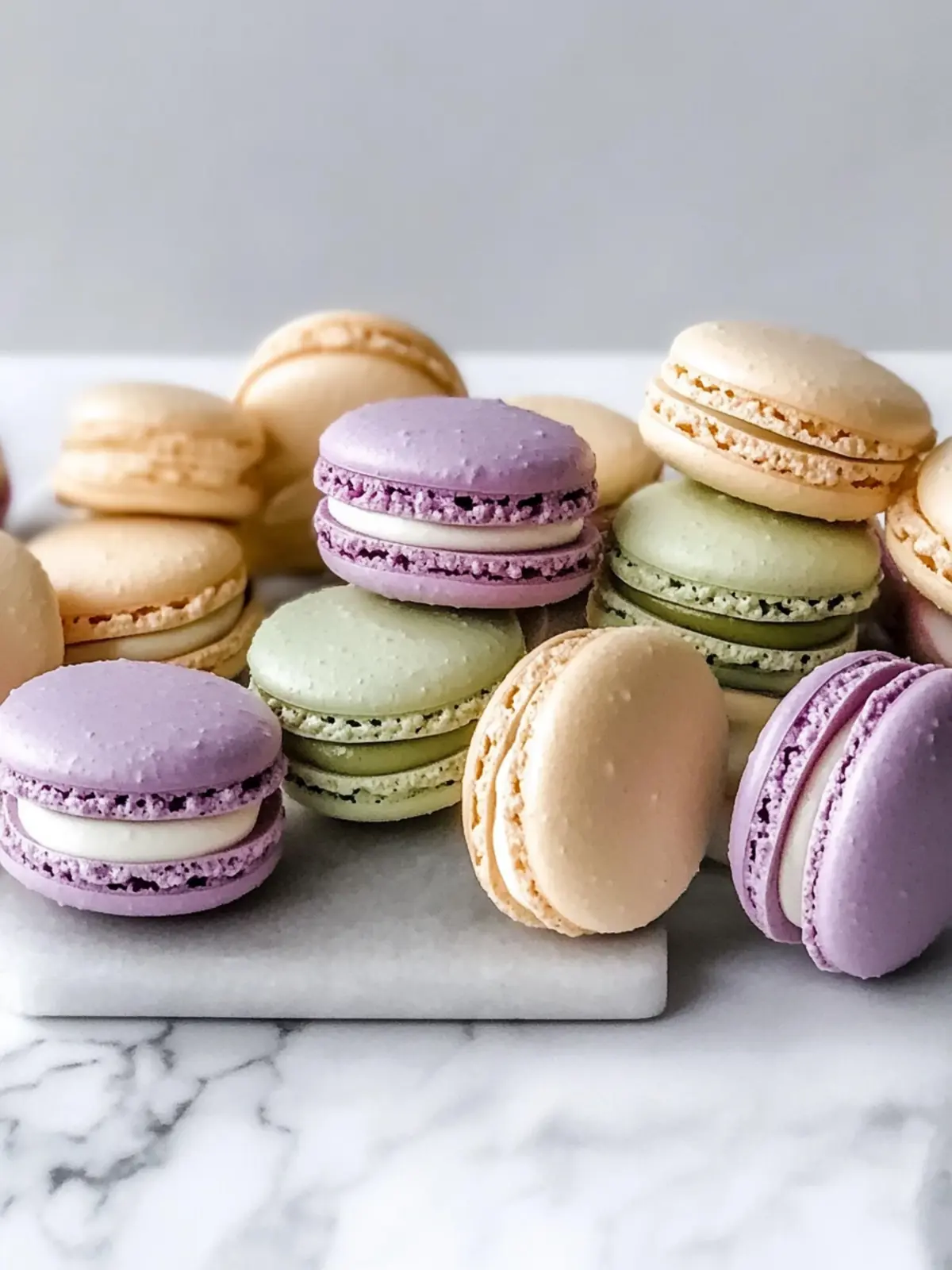
How to Make Macarons: Recipe FAQs
What type of almond flour should I use for macarons?
It’s essential to use super fine almond flour for macarons to achieve that smooth, delicate texture. Regular or coarse almond flour can lead to grainy shells, so I highly recommend looking for brands specifically labeled as “blanched super fine” for the best results.
How should I store my French macarons?
For filled macarons, store them in an airtight container in the refrigerator, where they will stay fresh for up to 2 weeks. If you’d like to keep them longer, you can freeze them! Just place filled macarons in a single layer in an airtight container, with parchment paper between layers to avoid sticking, and they can last up to 3 months.
Can I freeze macarons and how?
Absolutely! To freeze macarons, once they are filled, arrange them in a single layer in an airtight container separated by parchment paper between layers. Seal the container tightly and place it in the freezer. When you’re ready to enjoy them, allow them to thaw in the refrigerator overnight for the best texture.
What if my macarons are hollow or cracked?
Hollow shells often result from under-mixing your batter or not allowing enough resting time before baking. Make sure to fold the almond flour mixture into the meringue until it reaches a lava-like consistency. For cracked macarons, be mindful of your oven temperature; they could be baking too fast, or you might have skipped the resting step. Adjust your technique and try again!
Are macarons gluten-free?
Yes, classic French macarons are gluten-free since they primarily use almond flour. However, be sure to check the ingredients of any fillings—like jams or buttercreams—if you’re catering to gluten-free diets to ensure they are also gluten-free.
What can I use for filling macarons?
You have a world of options! Classic choices include rich vanilla buttercream or chocolate ganache for the sweet tooth. If you’re feeling adventurous, try zesty lemon curd, fruity jams, or even flavored creams using extracts. Just ensure your filling is thick enough to maintain the macaron structure; softer fillings can cause the shells to collapse.
These FAQs will help guide you as you learn how to make macarons, ensuring your experience is as enjoyable as the final result!
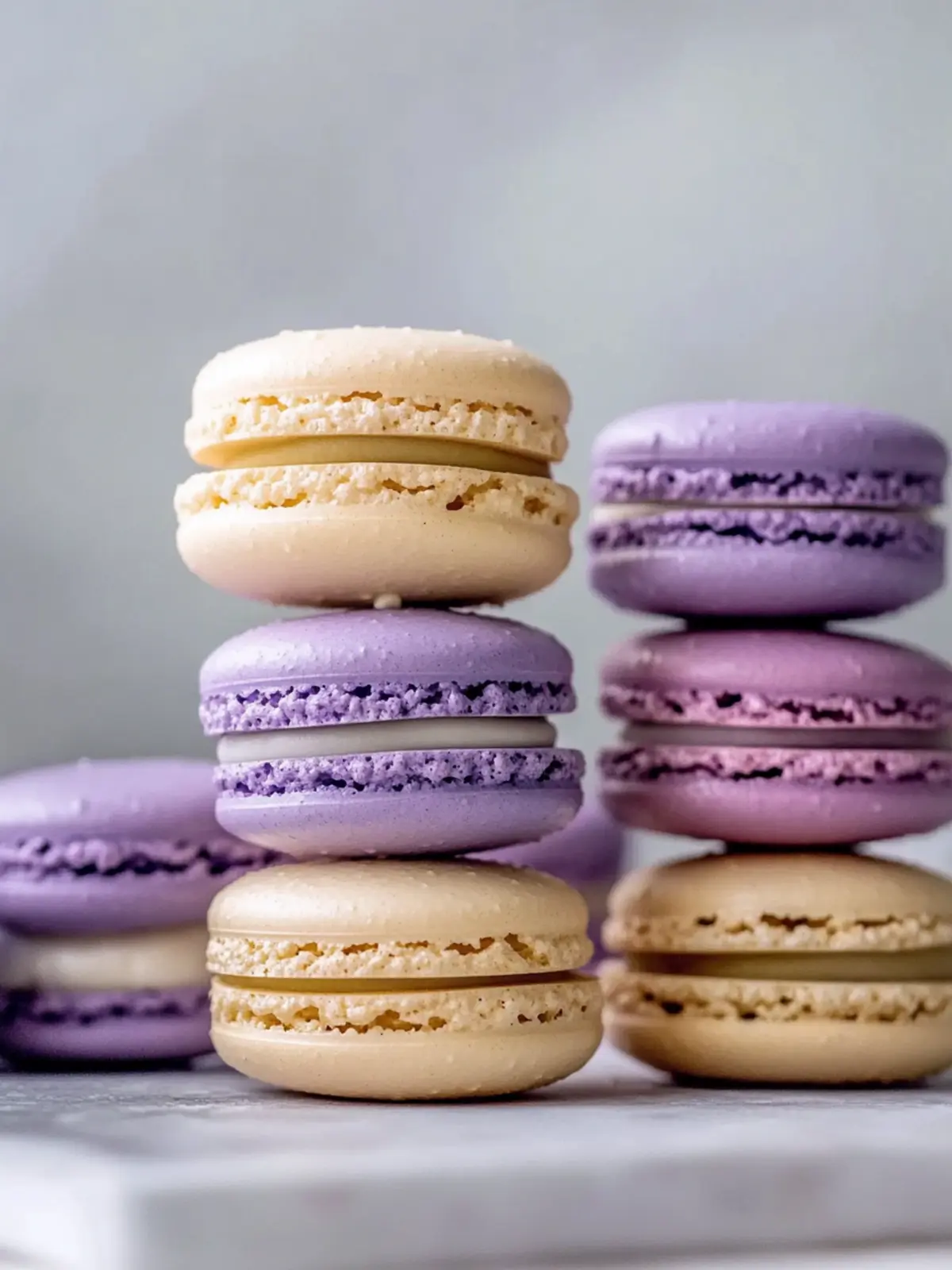
How to Make Macarons: Beginner Friendly and Irresistibly Delicious
Ingredients
Equipment
Method
- Sift the almond flour and powdered sugar separately to achieve a smooth, lump-free batter.
- In a mixing bowl, whip the egg whites and salt until foamy. Gradually add the granulated sugar, beating until glossy stiff peaks form.
- Gently fold in food coloring and vanilla extract into the meringue if using.
- Carefully fold the sifted almond flour and powdered sugar mixture into the meringue in three additions until the batter flows in a thick ribbon.
- Transfer the batter to a piping bag and pipe 1.5-inch rounds on parchment-lined baking sheets.
- Allow the piped macarons to rest at room temperature for about 30-60 minutes until a skin forms.
- Preheat the oven to 300°F (150°C) and bake the macarons for about 12 minutes.
- Let the macarons cool completely, then fill them with your chosen filling.